Tarmac Delay Rules: Your Rights After 3 Hours
Stuck on the plane waiting to take off or taxi to the gate? Here's what airlines must do at 2 hours, 3 hours, and 4 hours.
Save it in this browser to find it later.
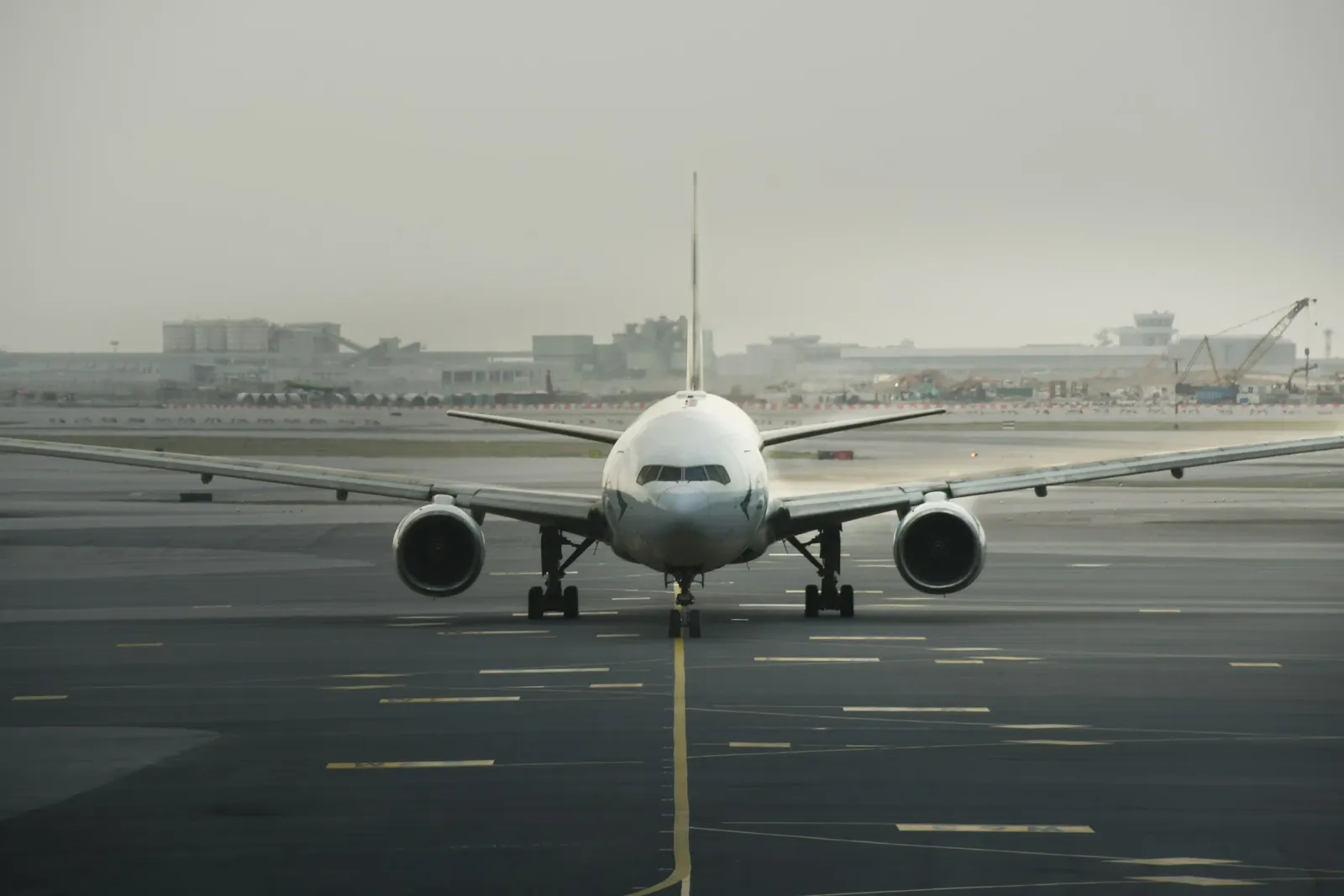
A tarmac delay happens when your plane sits on the ground—either waiting to take off or after landing—and you can't get off. U.S. Department of Transportation rules require airlines to let you off the plane before 3 hours for domestic flights and 4 hours for international flights. Airlines must also provide food, water, working toilets, and updates while you wait.
The 3-hour and 4-hour rules
For flights departing from or landing at U.S. airports, airlines must begin moving the airplane to let passengers off:
- Domestic flights: Before 3 hours
- International flights: Before 4 hours
The only exceptions are for safety, security, or air traffic control reasons. Don't leave your seat unless the airline tells you it's safe to exit.
If you're on an arriving flight, the airline must provide an opportunity to get off before hitting these time limits. For departing flights, the airline must start moving toward a gate or another safe exit point before the deadline.
If you choose to get off
If the airline offers you the chance to leave the plane during a tarmac delay, think carefully before you exit. Airlines are not required to let you back on, and the flight may leave without you. You'll be responsible for finding another flight.
If you get off and the plane eventually departs, the airline may not remove your checked luggage before takeoff. You'll need to contact the airline later to get your bags back.
Food and water after 2 hours
Airlines must provide a snack and drinking water no later than 2 hours after a tarmac delay starts. This doesn't have to be a full meal—a granola bar and water meets the requirement—but the airline must have enough for everyone on board.
The only exception is when the pilot determines that handing out food or water would be unsafe, such as when the plane is taxiing on an active runway.
Updates every 30 minutes
When a tarmac delay passes 30 minutes, the airline must notify you of the delay's status. This is usually an announcement over the plane's speaker system, but flight attendants may also walk through the cabin.
The airline should provide updates as the situation changes, including if you'll be allowed to get off the plane.
Other requirements during a tarmac delay
Airlines must maintain:
- Working toilets throughout the delay
- Comfortable cabin temperature (working heating or air conditioning)
- Medical attention if a passenger needs it
These requirements apply for the entire delay, not just after a certain time passes.
When these rules apply
The tarmac delay rule applies only at U.S. airports and only to airlines operating planes with 30 or more seats. Passengers experiencing a tarmac delay at a foreign airport are not protected by U.S. law, though the laws of that country may provide protections.
The clock starts when the aircraft door closes (for a departing flight) or when the plane lands (for an arriving flight). It stops when passengers are allowed to exit.
What happens if airlines violate the rule
Airlines face significant fines for violating tarmac delay rules. If you experience a violation, file a complaint with the U.S. Department of Transportation. Include your flight number, date, departure and arrival airports, and how long you were delayed on the tarmac.
The DOT reviews complaints to identify patterns and can take enforcement action against airlines that repeatedly violate passenger rights. Your complaint helps the DOT track whether airlines are following the rules.
Compensation for tarmac delays
The tarmac delay rule requires airlines to let you off and provide food, water, and working facilities, but it doesn't require airlines to compensate you with money or flight credits for the delay itself. Some airlines may offer compensation as a customer service gesture, but it's not required by federal regulation.
If the tarmac delay leads to a cancellation or significant delay that makes you miss a connection, you may have rights under other DOT rules. See our guide on what to do when your flight is cancelled for those situations.
Need help navigating a flight disruption?
Visit the full Sky Stuck guide for step-by-step information on what to do when your travel plans go wrong.
Visit Sky Stuck Guide